 French Bonsai Amateur
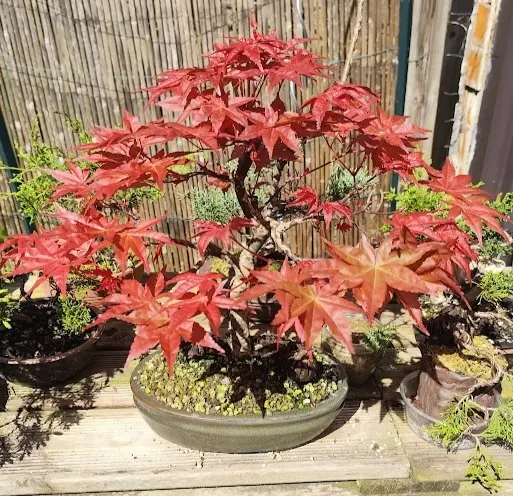
Growth restart, swelling buds and waking roots set the tone for the season.
This calendar gives a work rhythm, not a rigid truth. Climate, species, tree vigor and stage of development can all shift the right moment to act.
“Bonsai does not teach speed. It teaches the right moment.”
Saburo Kato
Quick reading
Read the season first, then the tree's vigor, and only then the kind of work you have in mind. If a point feels borderline, go back through Techniques or Species.
Season of restart
Bonsai gradually comes out of dormancy. Sap rises, buds swell and roots wake up. It is a key season that sets the tree's vigor for the whole year.
Growth restart, swelling buds and waking roots set the tone for the season.
Swollen buds, tension returning in the tree, roots ready to restart.
Fertilizing too quickly after repotting or pruning hard on a tree that has not really restarted yet.
Main window for many species, before buds fully open.
You guide the first shoots without breaking the restart dynamic.
Restart should be progressive, not abrupt.
Season of vigilance
Growth is active and heat greatly increases water demand. The main goal is to avoid water stress while keeping the tree balanced.
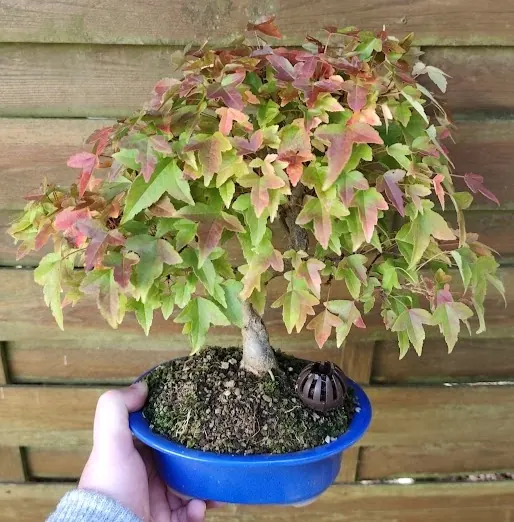
In summer, water, heat and protection from strong sun become the main priorities.
Substrate drying quickly, tired foliage, pots heating up.
Keeping the same work rhythm as in spring while the tree is already dealing with heat and evaporation.
Water becomes the real seasonal technique.
Keep mostly light and useful actions.
The goal is to keep the tree active without letting it burn.
Season of consolidation
Growth slows down gradually. It is the ideal period to strengthen the tree, observe its structure and prepare the clearer work of winter.
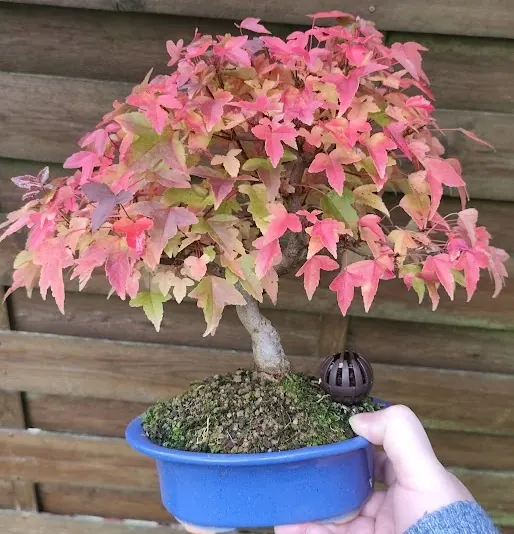
Autumn is for strengthening the tree, observing its structure and calmly preparing winter work.
Slowing growth, clearer silhouette, changing watering rhythm.
Neglecting strengthening fertilizer or waiting until winter to start thinking about structure.
You are building reserves more than chasing speed.
This is the right moment to identify what will become unnecessary or dominant.
You open the way for structural actions without rushing them.
Season of reading
The tree is dormant. It is the clearest season for major pruning and some structural work, as long as frost, wind and protection are managed properly.
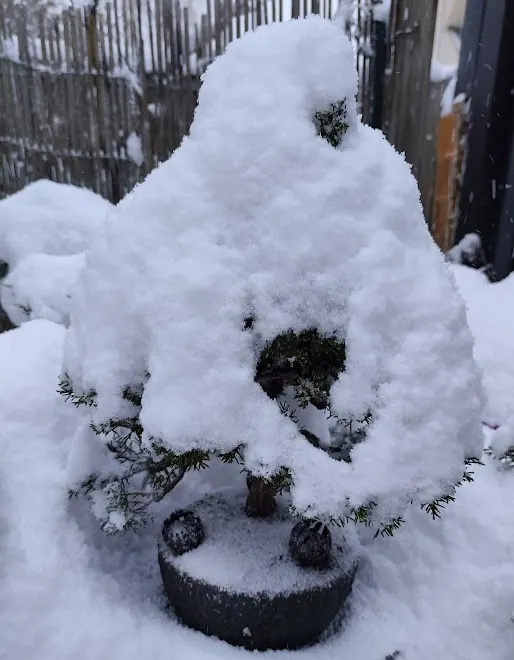
Winter strips the structure bare: it is the clearest moment for major design and protection choices.
Clear silhouette, slower rhythm, protection to adjust depending on cold, wind and humidity.
Mistaking dormancy for a lack of risk, then underestimating frost, drying winds or wire marks.
The clearest moment to rethink the tree over the medium term.
The season can be suitable, but follow-up remains essential.
The work only makes sense if the tree gets through the season well.
This calendar is a general baseline. Experience and observation remain the best guides: each bonsai evolves differently depending on its species, environment and vigor.
The calendar becomes truly useful when you connect it to the tree type and to the techniques you plan to use.
Spring is often the main window, but not for every tree and not in every climate. The best marker remains the tree's awakening and actual vigor.
In summer, the priority is watering, light shade if needed and protection from excessive heat. Major work is secondary.
Yes, especially for structure on some trees. You simply need to take frost, wind and species type into account before acting.
No. A ficus, an elm and a pine do not follow the same rhythm. Start by identifying your tree in Species, then come back here.