 French Bonsai Amateur
Most reassuring
Elm, hornbeam, cotoneaster or pomegranate let you learn quickly, with a clear reading of vigor.
The right choice depends less on a first crush than on real growing conditions: outdoors or indoors, desired margin for error, speed of progress and the level of refinement you are looking for.
“Listen to the tree: it tells you where it wants to go.”
John Naka
Quick read
This summary is enough to set the frame: first the exposure you really have, then the difficulty level you accept, then the family you want to explore.
Elm, hornbeam, cotoneaster or pomegranate let you learn quickly, with a clear reading of vigor.
Ficus remains the best starting point, but only if the exposure is genuinely bright.
Maples and azaleas reward a finer cultivation style with a lot of visual elegance.
| Situation | Recommended species | Exposure | Level |
|---|---|---|---|
| You want to learn the basics without making life harder | Elms, hornbeam, cotoneaster | Outdoor, gentle sun to partial shade depending on species | Beginner |
| You need a viable indoor tree | Ficus retusa / microcarpa | Very bright indoor position | Beginner |
| You want a more refined silhouette | Maples, azaleas | Soft light, protection from scorching sun | Intermediate |
| You want more technical and graphic work | Junipers, pines | Full sun, carefully managed cultivation | Intermediate to advanced |
Video
A TikTok video to keep the connection with real practice and show the logic of species choice in a more direct way, without leaving the editorial frame of the site.
Outdoor, forgiving, educational
These trees naturally grow in our regions. They adapt very well to the local climate, tolerate cold and generally respond very well to classic bonsai techniques.
Best outdoor entry point
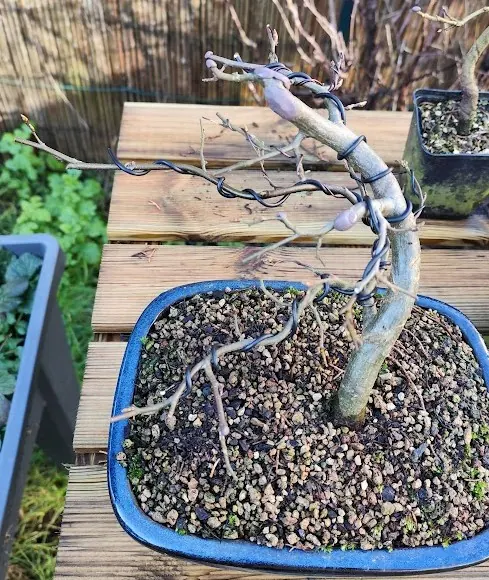
A very hardy and stable species, ideal for progressing. Hornbeam buds back easily, naturally reduces its leaves and is perfect for building fine ramification. It tolerates repeated pruning and natural styles very well.
Small foliage
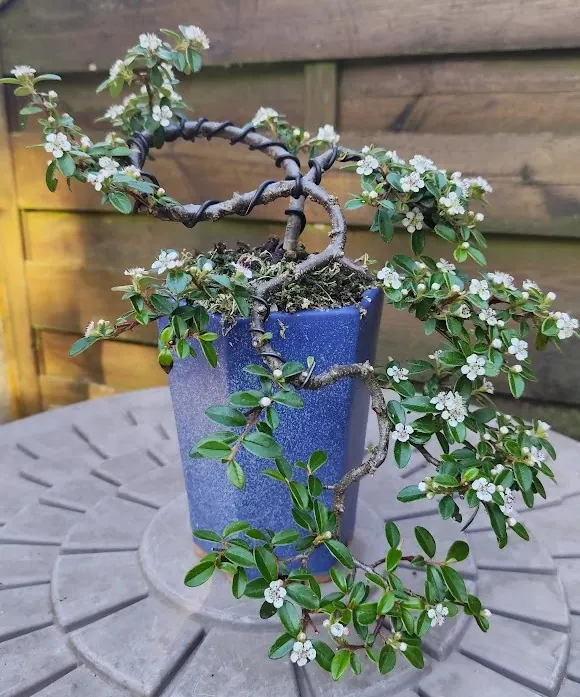
Ideal for starting out: very tough, generous growth and small leaves that work perfectly in bonsai. Cotoneaster also produces flowers and colorful berries easily, and responds very well to regular pruning.
Vigorous structure
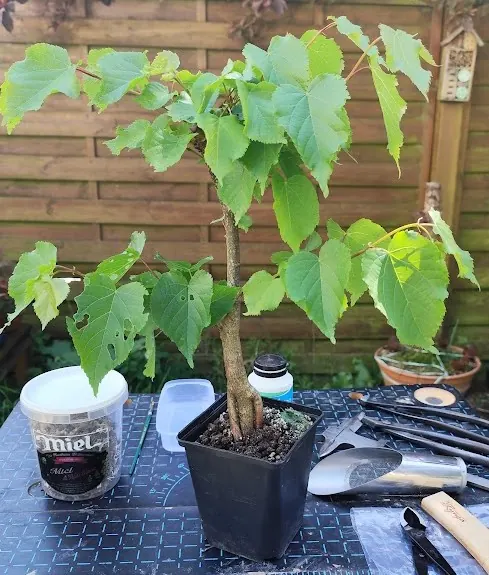
A robust European tree with large leaves, perfect for learning branch building. Linden grows vigorously in spring and handles maintenance pruning well. It enjoys good light but remains sensitive to very hot summer conditions.
More refined
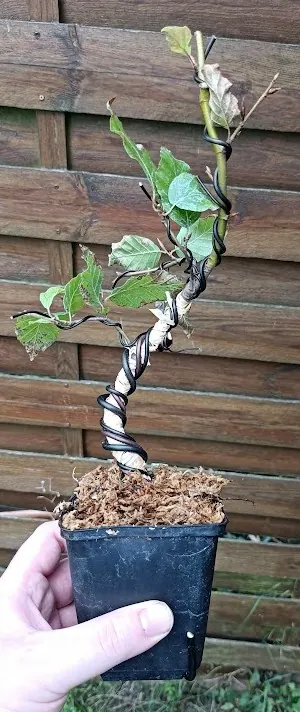
An elegant species with smooth bark and golden autumn leaves. Beech asks for careful cultivation, especially with watering and gentle exposure. It responds well to pruning, but buds back less freely than hornbeam.
Natural character
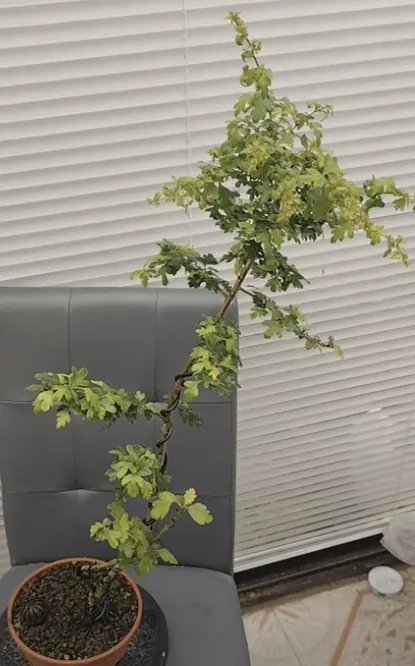
A hardy tree valued for its flowers and small leaves. Hawthorn handles structural pruning well and develops beautiful bark texture with age. Its irregular growth leads to very natural results.
Decorative vigor
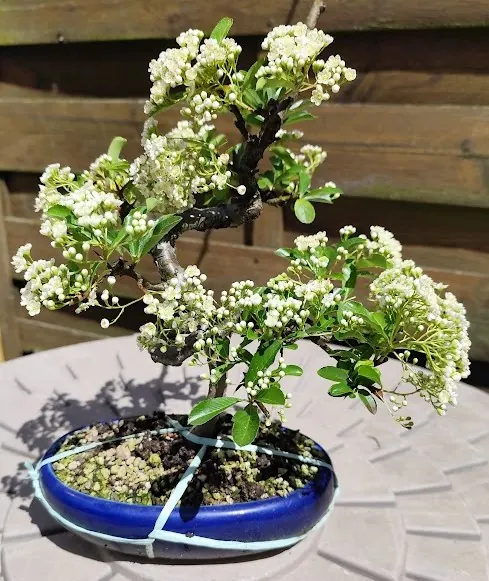
A vigorous species known for its many decorative berries. Pyracantha tolerates pruning well and quickly builds dense ramification. It needs sun to flower abundantly.
Fine foliage, color, ramification
These trees are widely used in bonsai for their foliage, autumn colors and ability to build fine branch structure. They are often visually expressive, but sometimes more demanding in exposure and watering.
The most educational base
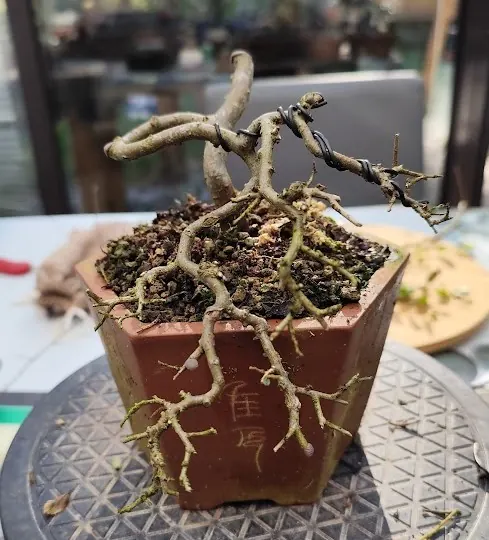
Elms are among the most educational trees for learning bonsai. They grow strongly, bud back willingly and tolerate pruning extremely well. Ideal for understanding vigor and ramification management.
Foliage, finesse, color
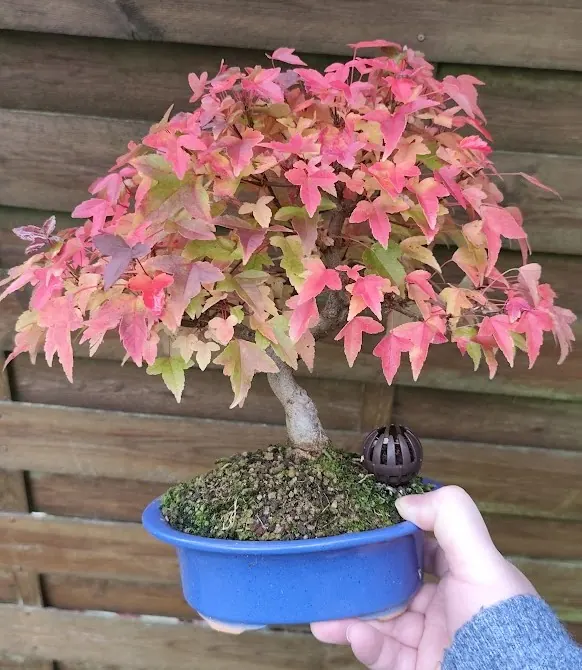
Maples are loved for their delicate foliage, colors and light silhouette. They enjoy bright but gentle exposure and reward careful cultivation with very refined ramification.
Very strong flowering
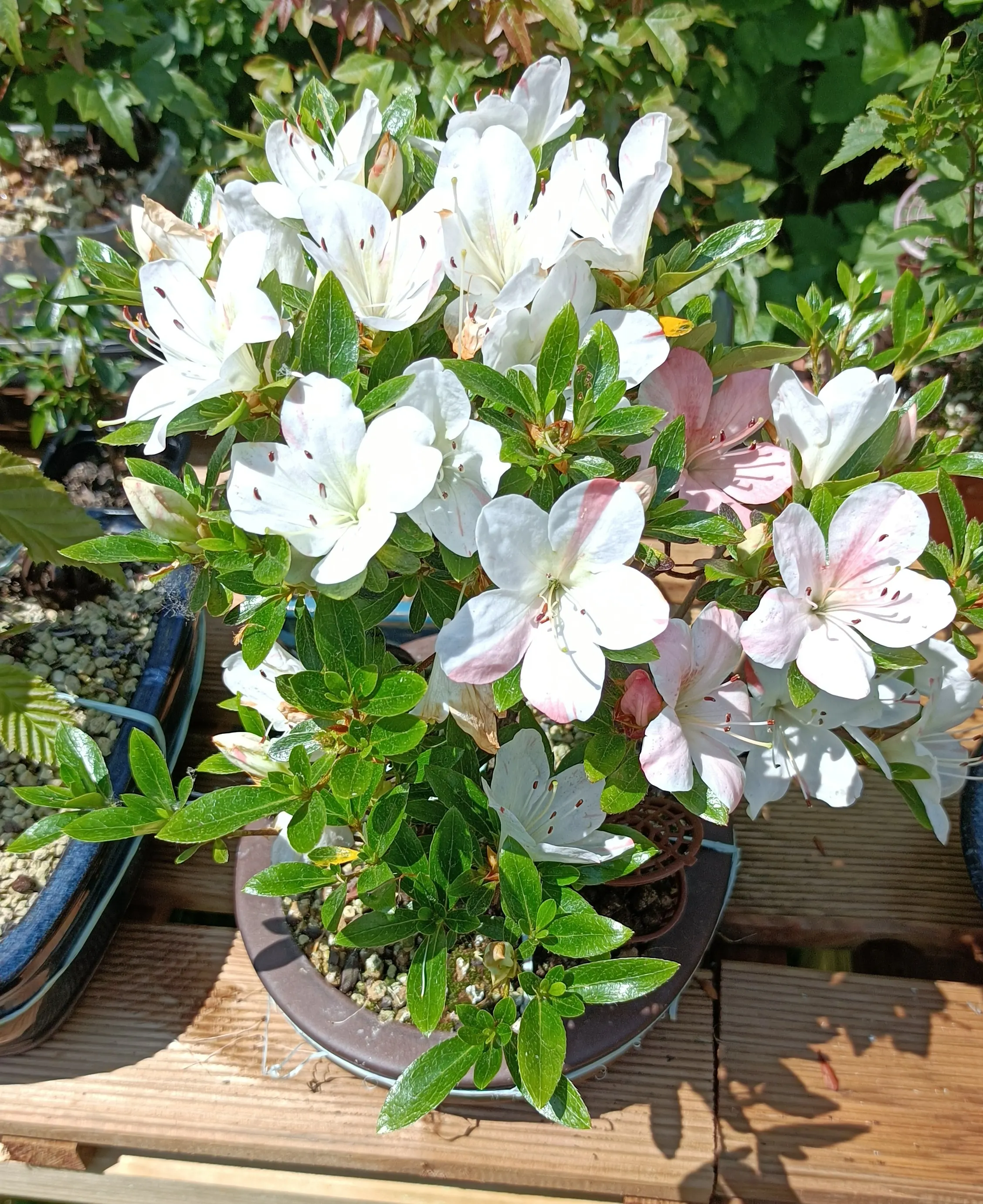
Azalea is highly appreciated for its spectacular flowering and vivid colors. It asks for careful cultivation: acidic substrate, regular but controlled watering and protection from strong heat. Well grown, it offers fine ramification and a unique character.
A more technical line
Conifers offer powerful trunks, graphic foliage pads and spectacular aging. They often require a slower, more technical cultivation style and a real sense of timing.
Flexible shaping
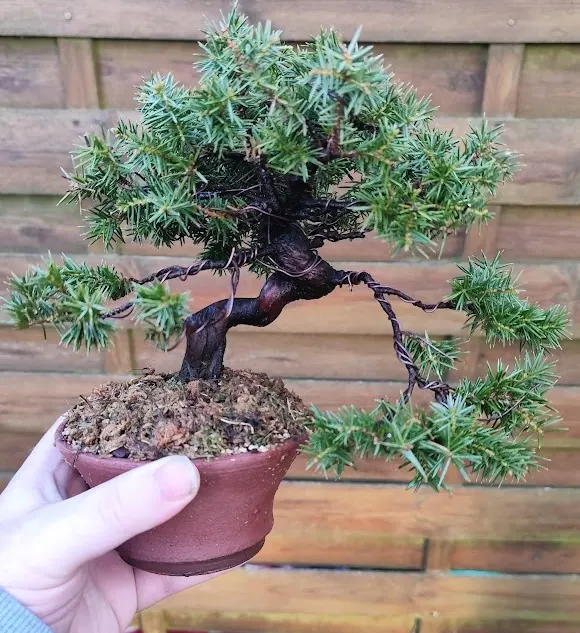
An emblematic bonsai tree, appreciated for dense foliage, pads and striking deadwood. It responds very well to wiring but must be handled carefully to avoid damaging the foliage.
The most technical here
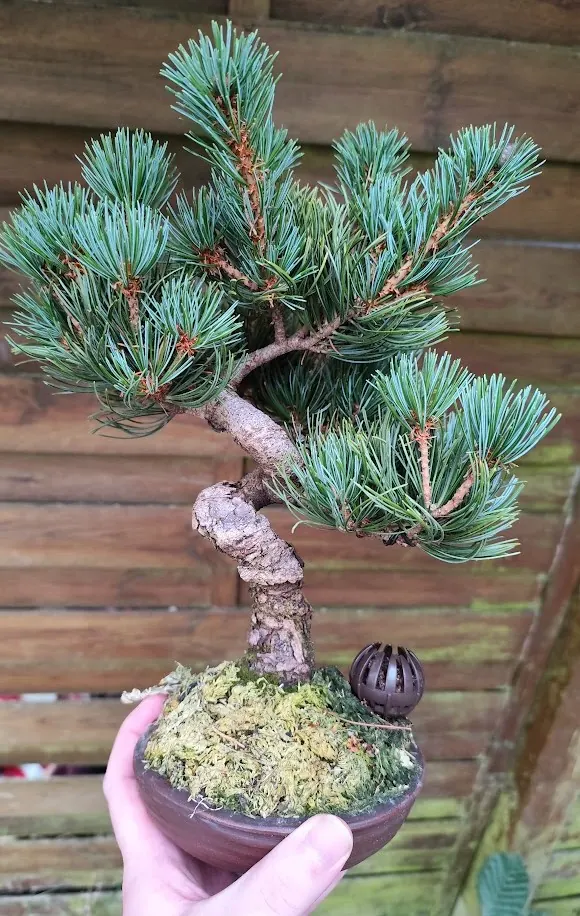
Pines are among the most technical conifers. Their cultivation relies on precise vigor management: candles, back budding, balancing pads... but they offer a powerful and timeless result.
Deciduous conifer
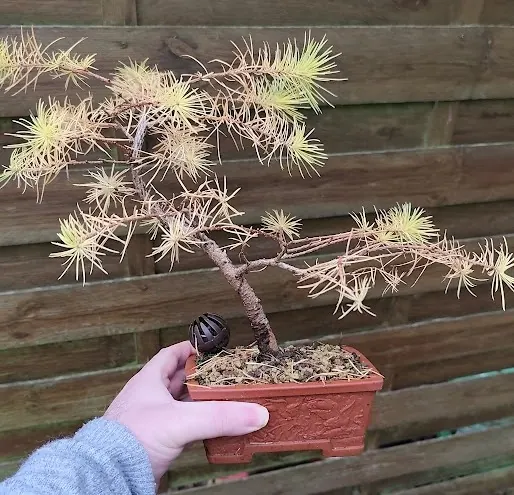
A deciduous conifer appreciated for its seasonal changes: fresh green in spring, deeper green in summer and gold in autumn. Fast growth and a very good response to pruning.
Heat, light, character
These species like warmth, strong light and free-draining substrates. They are especially suitable for regions with hot summers and often speak to growers who love old-looking, twisted and sunlit trees.
Sobriety and bark
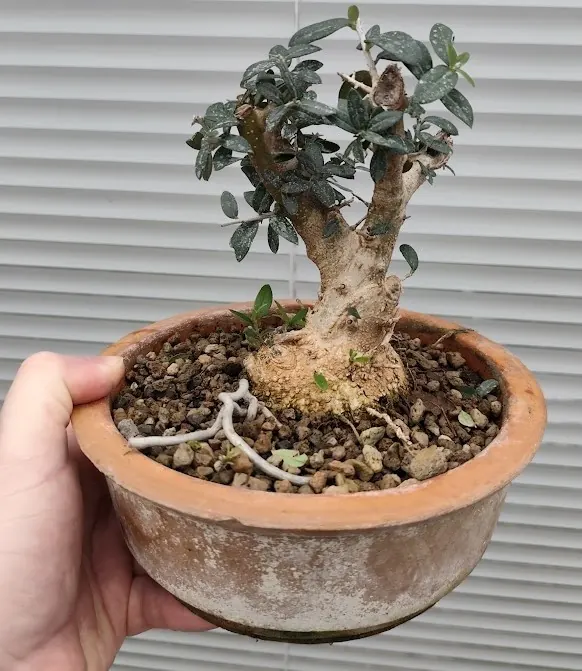
Very resistant, slow but steady growth, with superb bark as it ages. Olive is perfect for natural styles and carved deadwood.
More floral
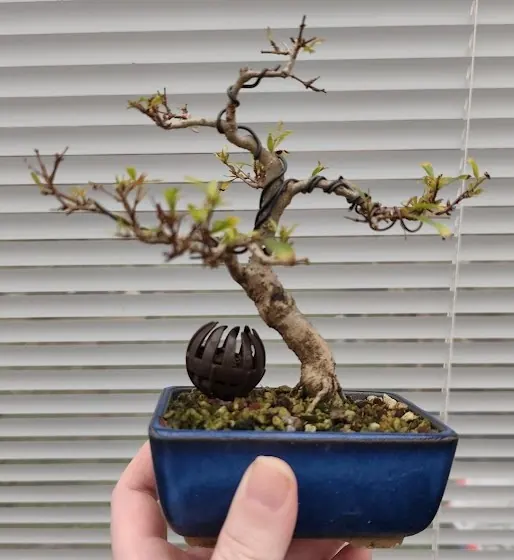
Very decorative with its red flowers and miniature fruits. Its vigorous growth allows beautiful branch construction.
Indoors, but only with very strong light
These species can live indoors provided they get a lot of light. They suit apartments only if you accept that an indoor bonsai is still a tree that is demanding about light, watering and stable conditions.
The true indoor choice
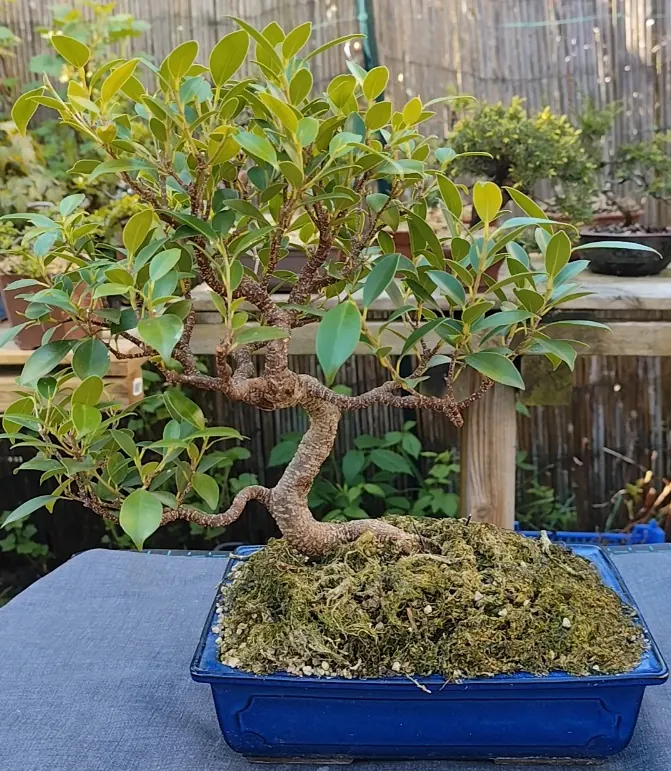
Very resistant, fast-growing and generous in back budding. Ficus is the ideal species for practicing often and making quick progress.
The real issue is not indoor or outdoor, but how much light is available all year. Without it, even a ficus eventually weakens. It also becomes stronger if it can go outside when night temperatures stay above 15 °C.
If you still hesitate, connect this page with Techniques to understand care requirements, then with Calendar to see the seasonal rhythm.
In practice
If the room lacks light or if care will be irregular, it is better to choose a hardy outdoor species than to force an apartment solution.
Next step
The right species choice also depends on technical level, seasonal rhythm and the style you want to build. Use these pages as a direct extension of the comparison above.
Frequently asked questions
The most reassuring species to begin with are elm, hornbeam, cotoneaster and ficus. They forgive rhythm mistakes better and connect well with the basics covered in Techniques.
Yes, but mostly among tropical species. Ficus remains the best entry point if you have a very bright room and regular care.
Hardy species live outdoors all year, while tropical species need a lot of light. To know when to act afterward, complete this page with the Calendar.
The right moment depends on the species and the stage of the buds. Before repotting, always connect this page with Techniques and the Calendar.
Exposure:
Level: