 French Bonsai Amateur
Oval
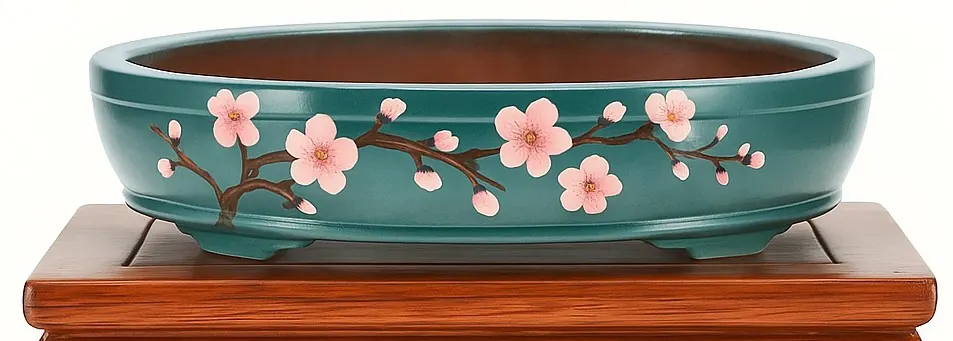
Very common for deciduous trees, oval pots offer softness and elegance.
A bonsai pot is far more than a container — it is an essential element contributing to the harmony and personality of the tree. Shape, color, depth and material all play important roles.
“Bonsai is not the result: that comes after. Your enjoyment is what is important.”
John Naka
This page is about the container. To understand the visual logic behind that choice, return to Aesthetics. To connect each pot type to a tree silhouette, cross-check it with Styles.
Very common for deciduous trees, oval pots offer softness and elegance.
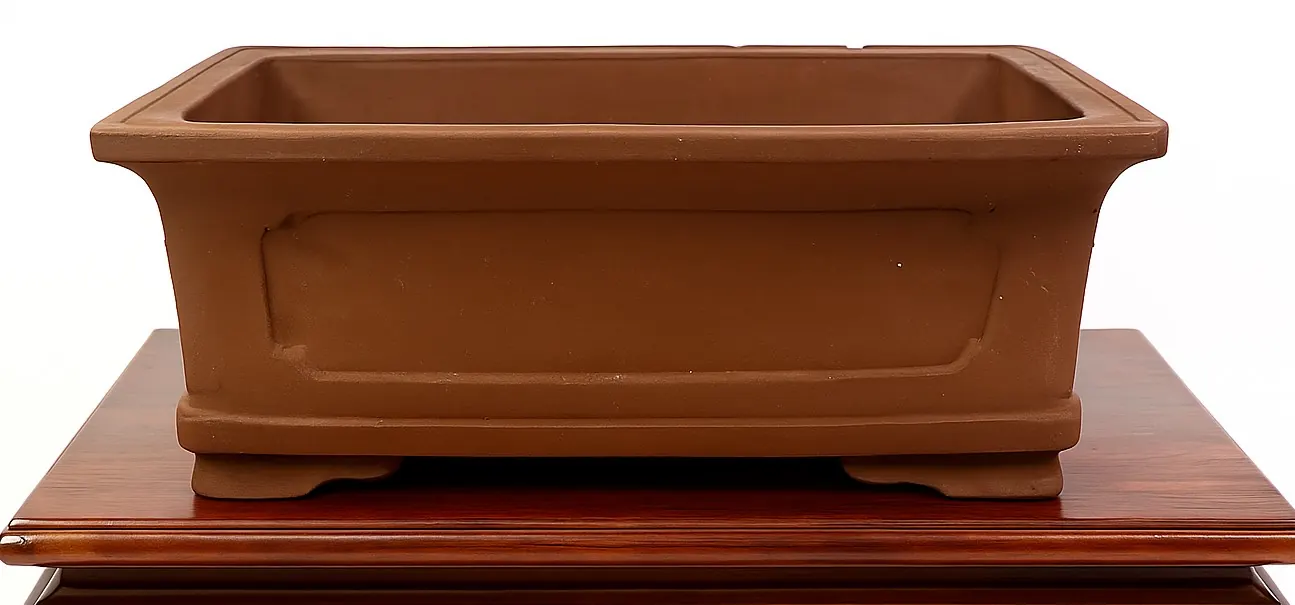
Strong and angular, ideal for conifers and powerful trees.
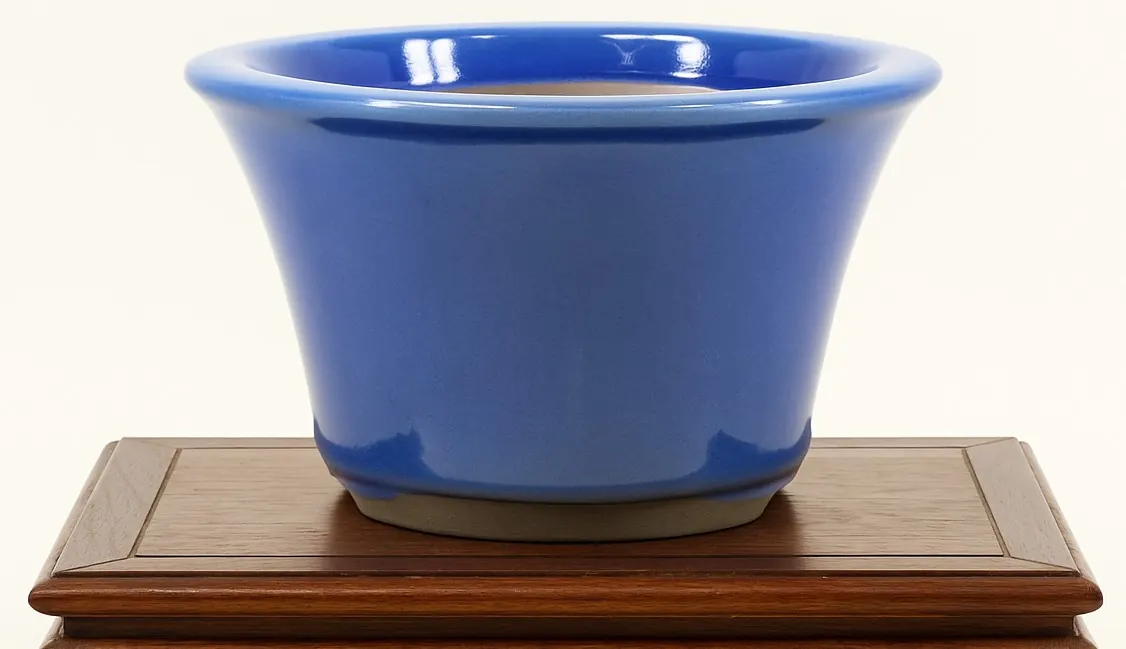
Perfect for literati (Bunjin) and minimalist compositions.
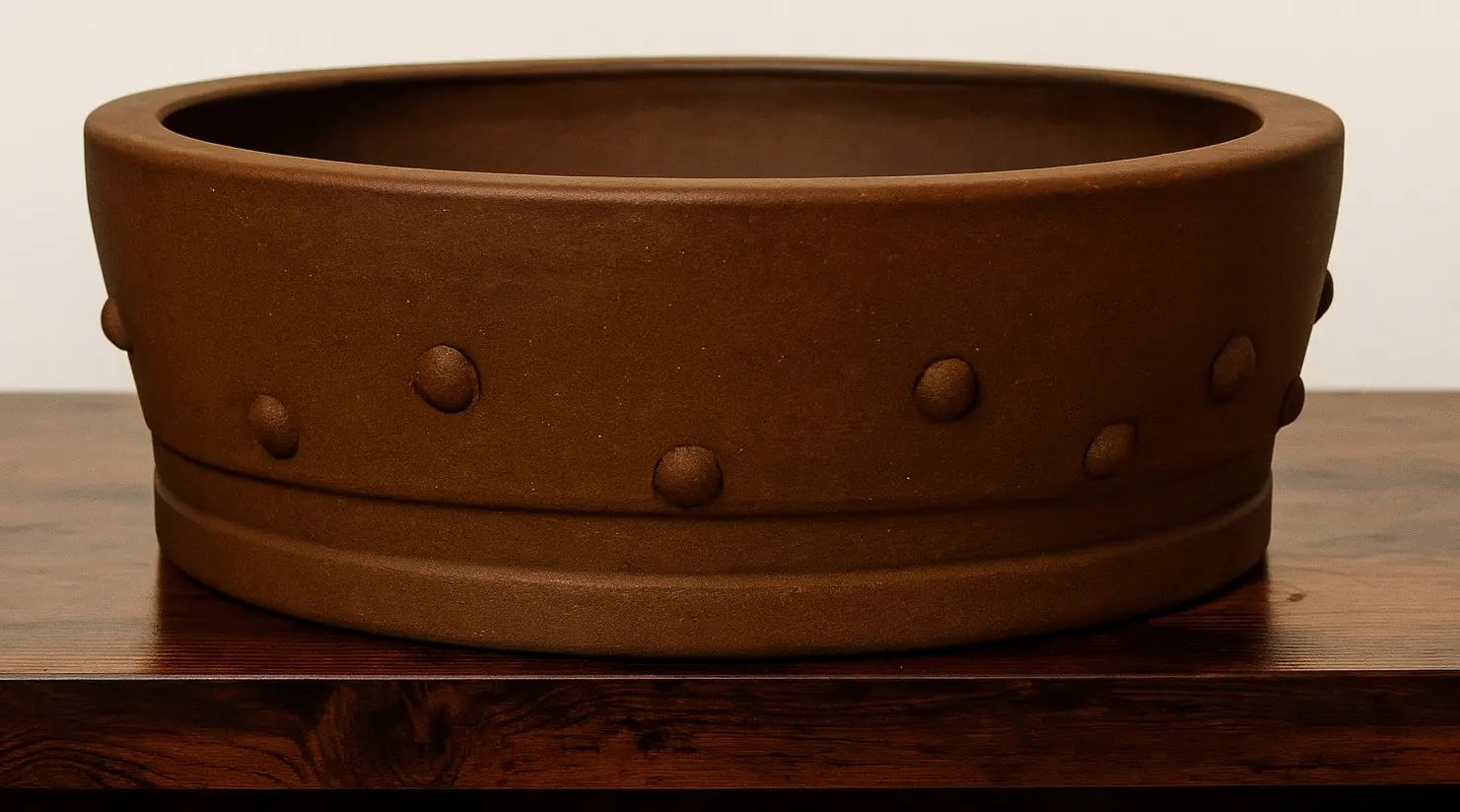
Thick and sturdy pots, excellent for strong conifers.
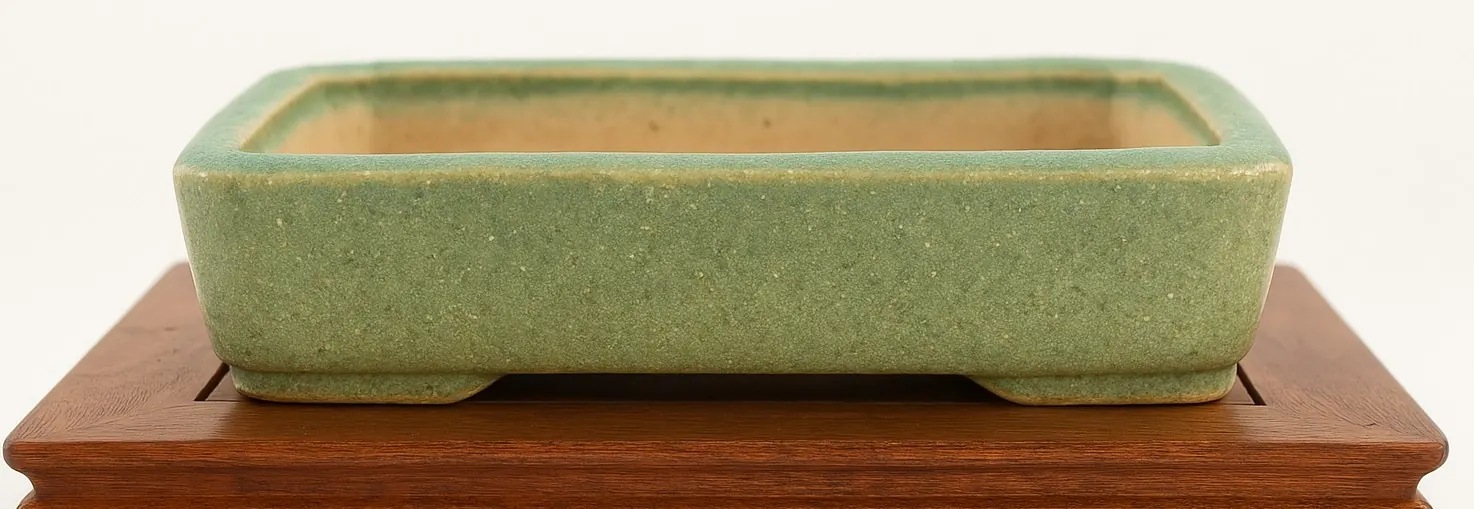
Best suited for deciduous and flowering trees.
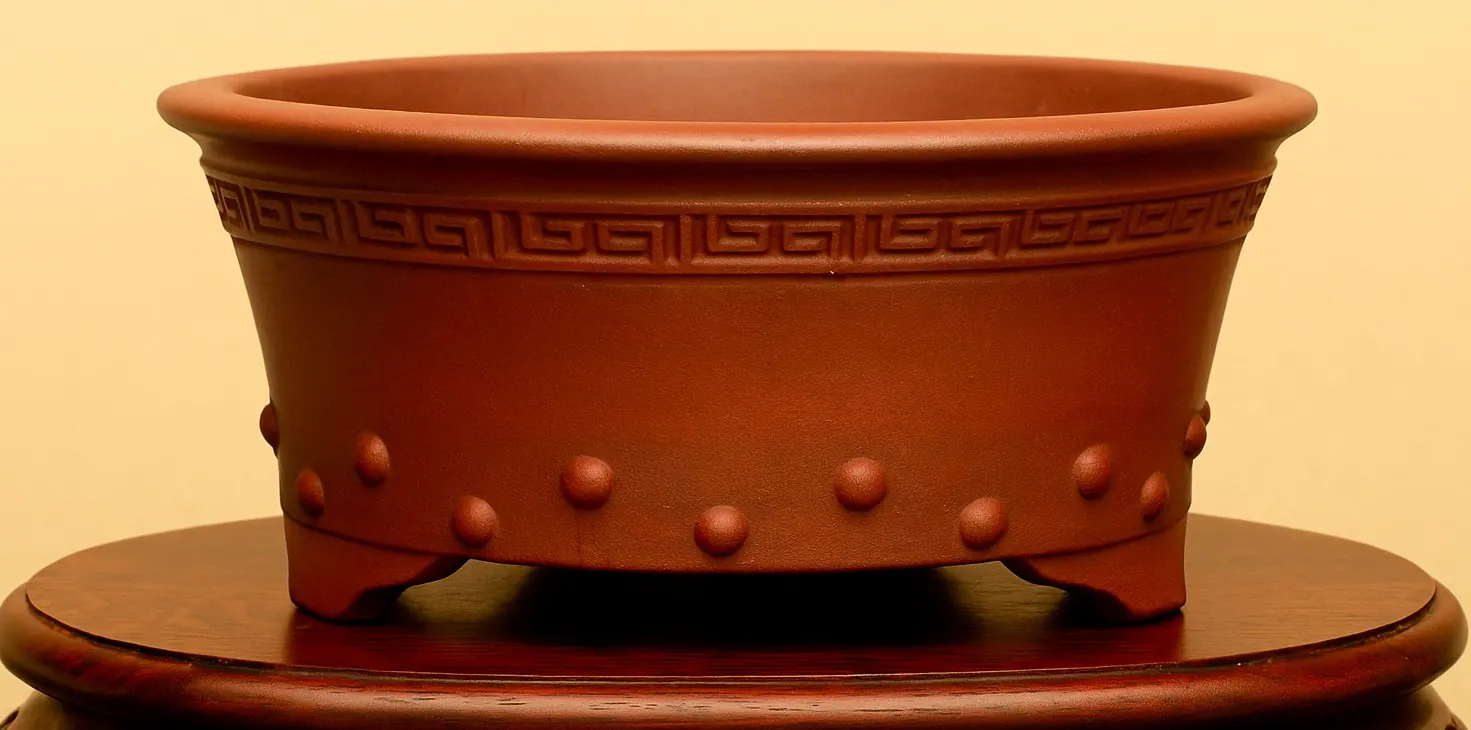
Natural and understated, ideal for conifers.
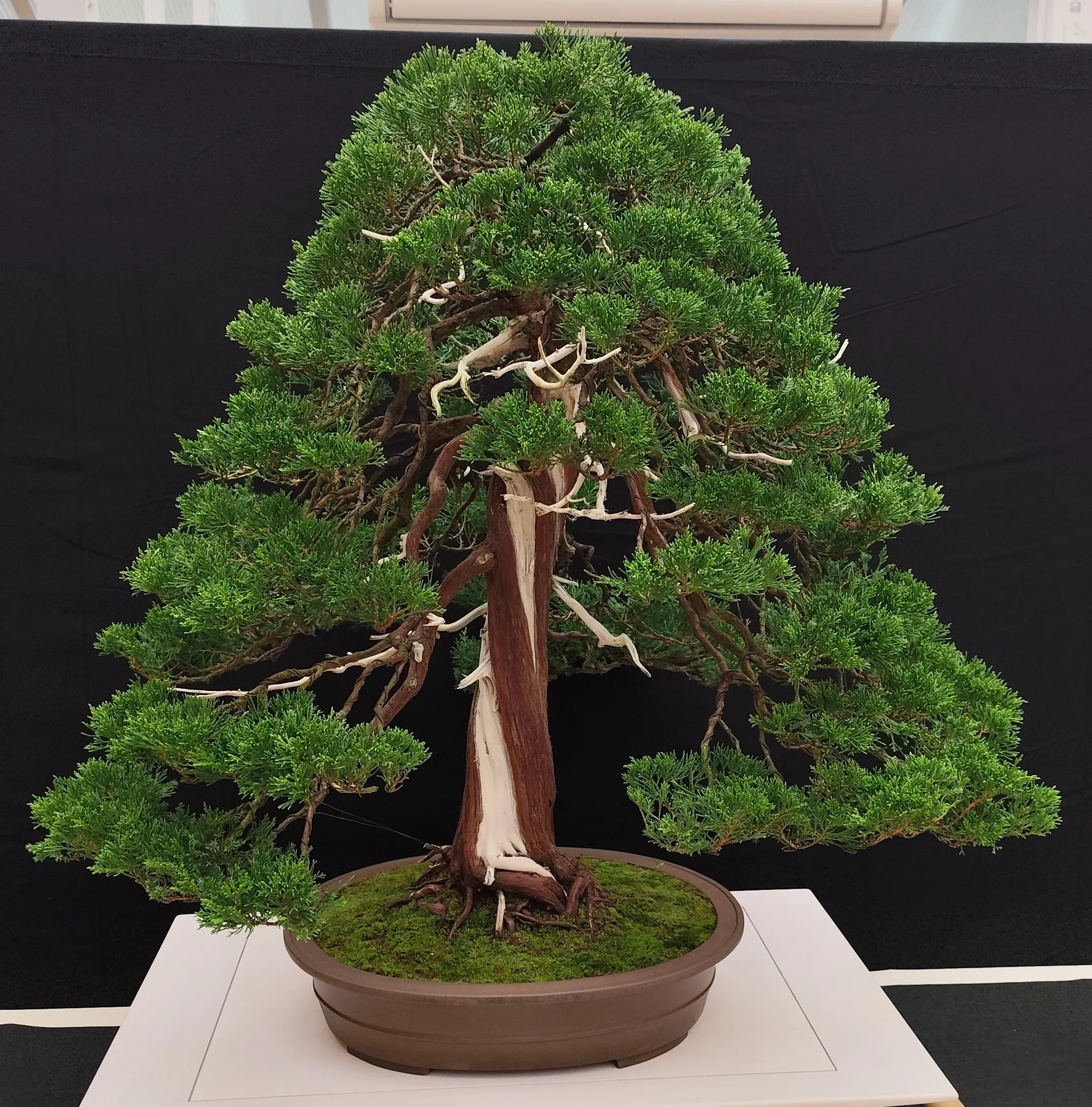
Oval or rectangular pots, subtle colors.
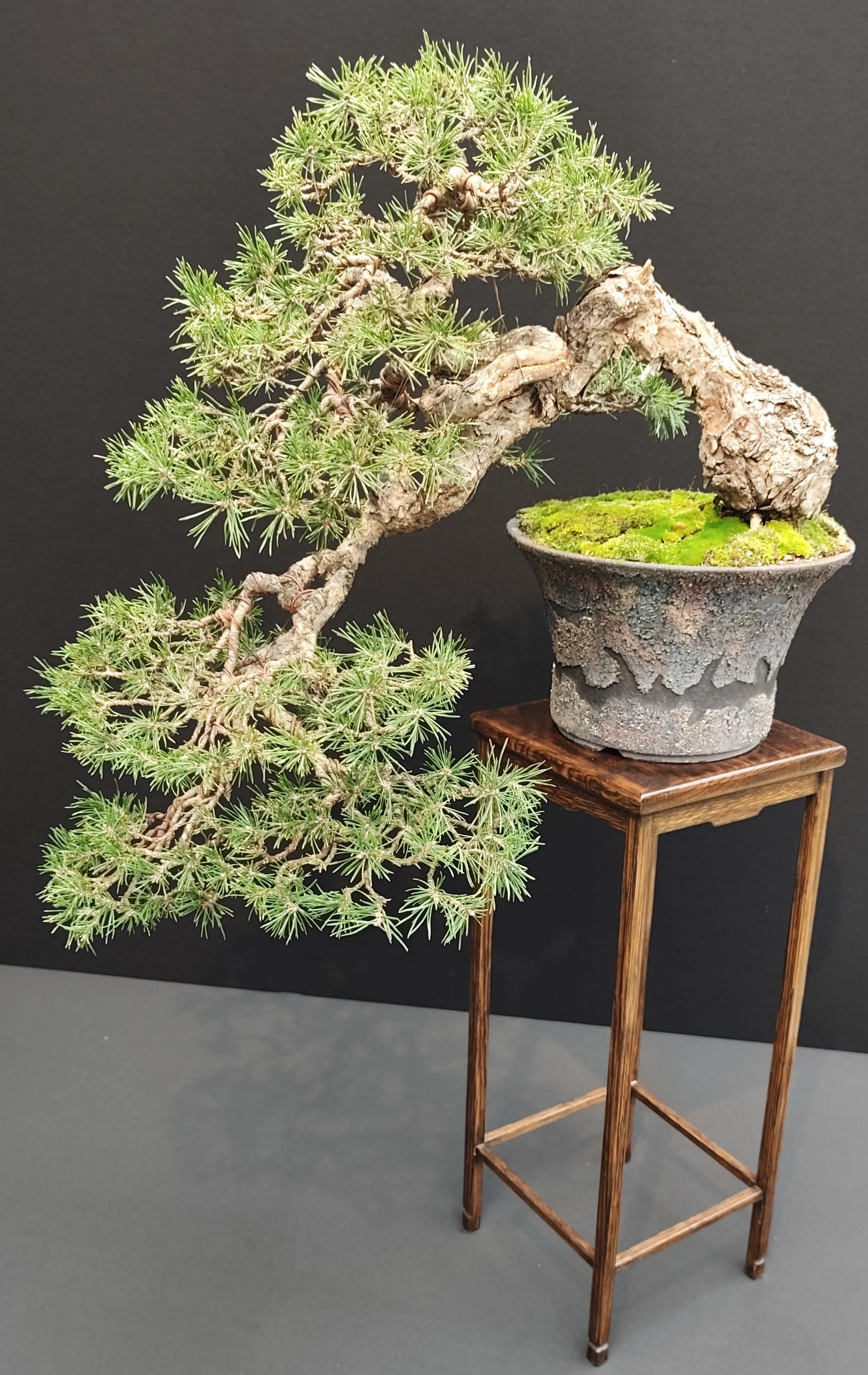
Deep and narrow pots to support downward movement.
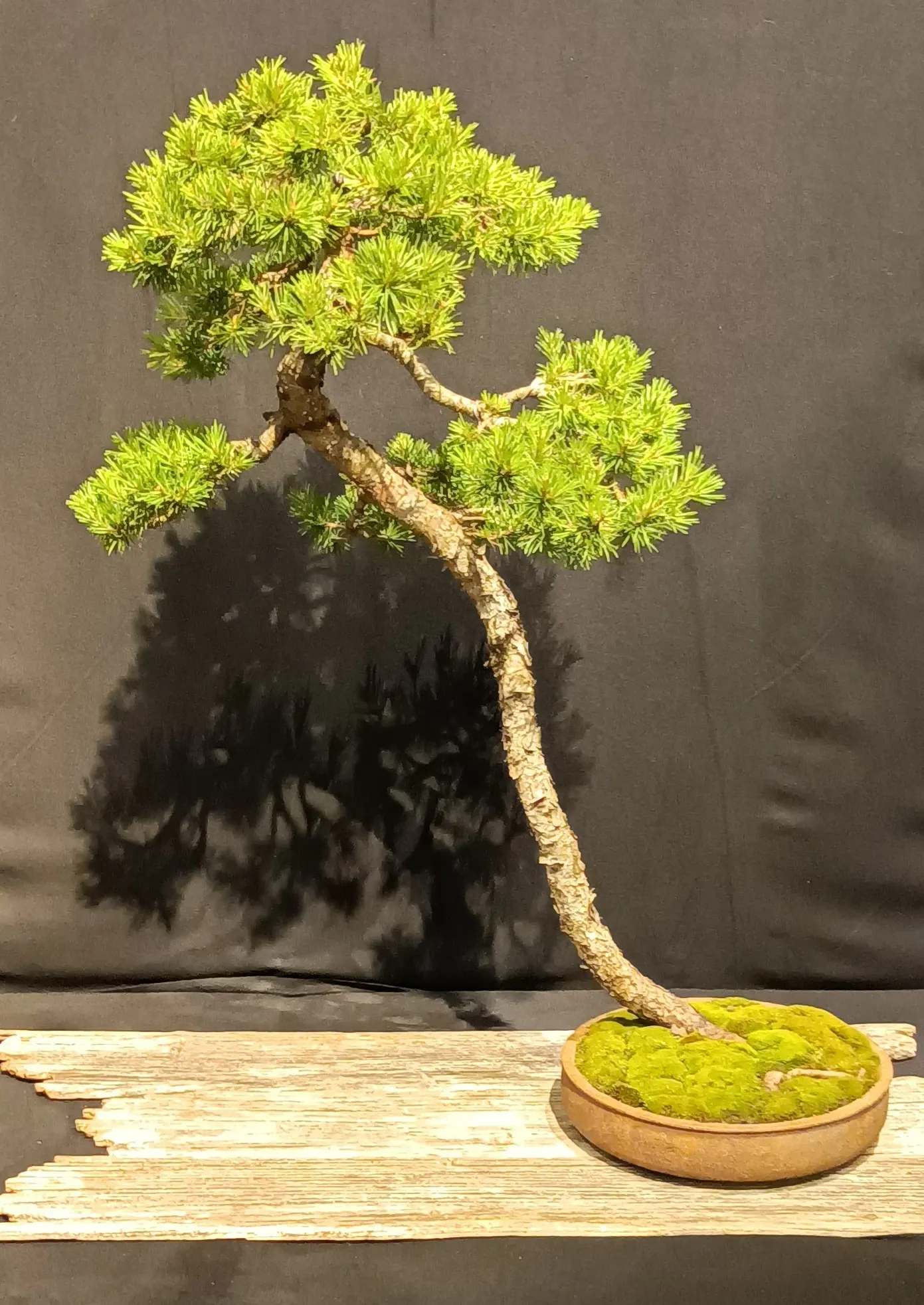
Minimalist shapes to enhance light compositions.
Pot choice becomes much more accurate when you connect the aesthetic foundation, styles, species and cultivation rhythm.
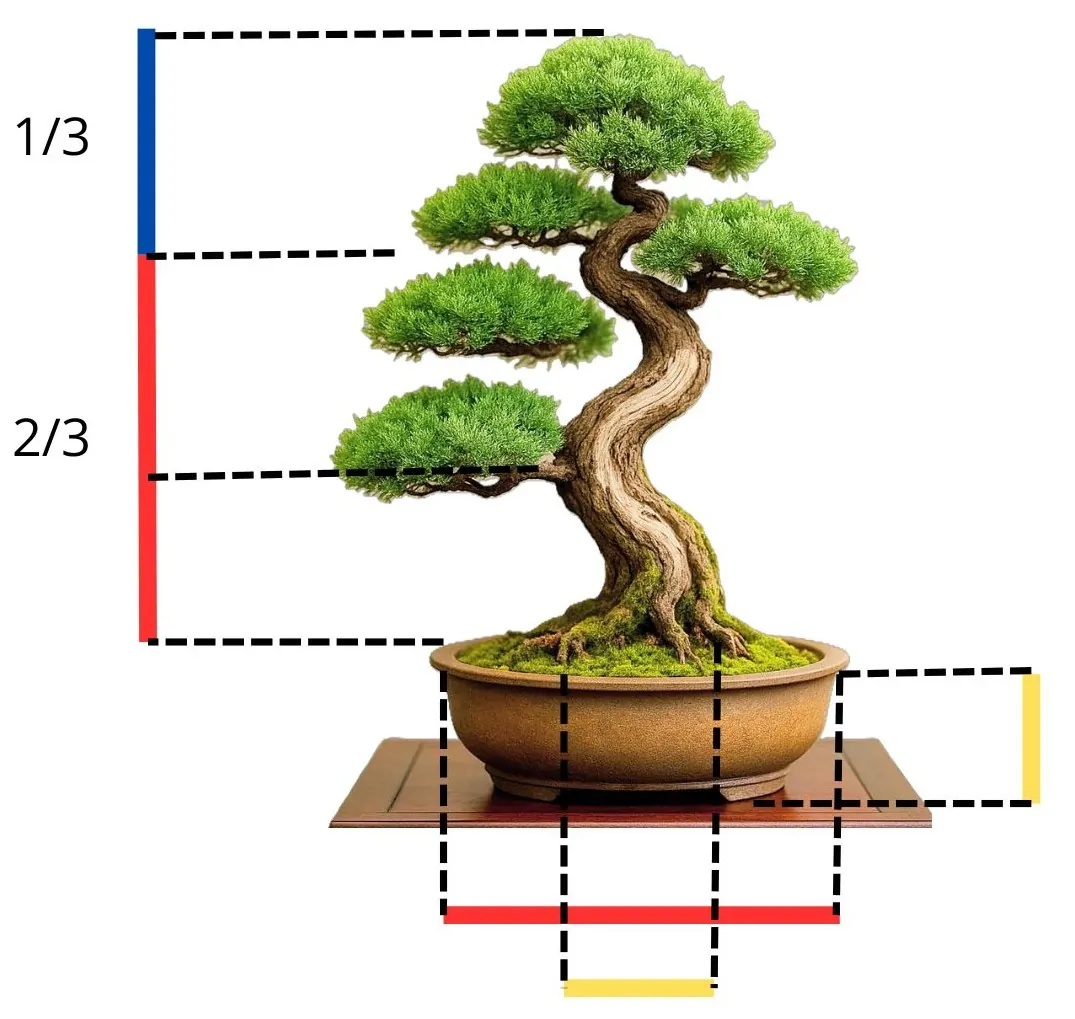
Pot length and depth are read against tree height, trunk diameter and overall vigor. Rules help, but they always need adjustment to the actual project.
Conifers often work best in understated, unglazed and sometimes deeper pots. If species choice is still unclear, go back to Species.
Yes. Deciduous bonsai often pair well with softer shapes and lighter colors. The effect also depends on the visual direction, which you can compare in Styles.
Yes. A small, shallow or sun-exposed pot dries faster. The container directly affects the care rhythm explained in Techniques.