 French Bonsai Amateur
Chokkan – Formal Upright
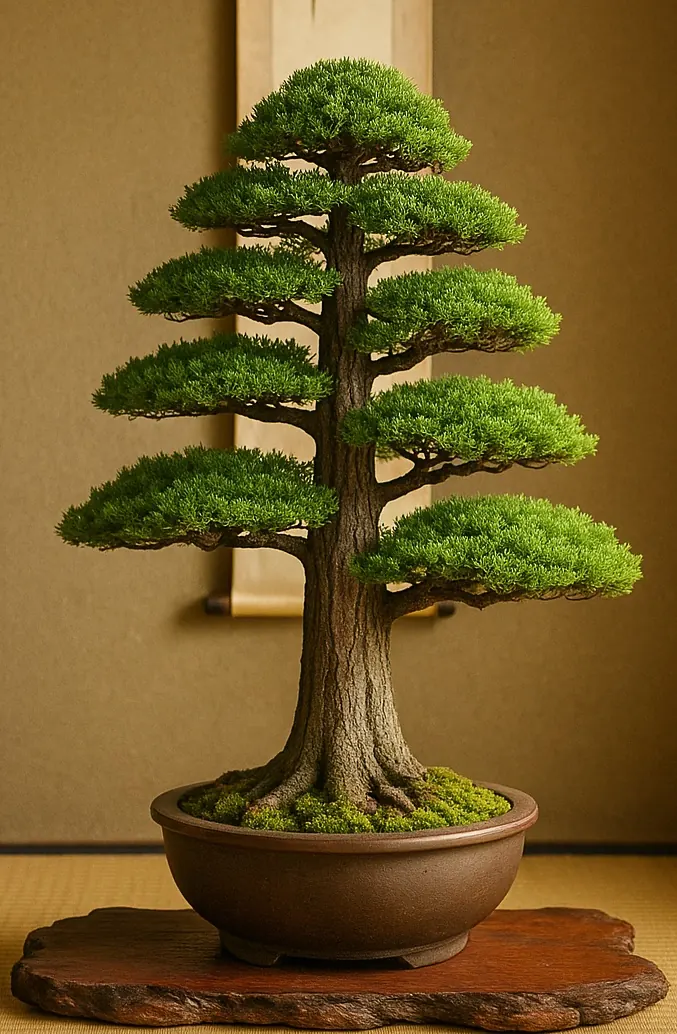
A perfectly straight and vertical trunk with regular taper. This style represents a tree that has grown in open conditions with no major environmental constraints.
Each bonsai style reflects a natural form observed in nature. These traditional Japanese styles illustrate how trees adapt to light, wind, gravity and their environment.
“It must have philosophy, botany, artistry, and human quality behind it to be a bonsai.”
John Naka
This page focuses on silhouettes. To understand why they work visually, return to the foundation on Aesthetics. To see how that reading shifts with the container, continue to Pots.
A perfectly straight and vertical trunk with regular taper. This style represents a tree that has grown in open conditions with no major environmental constraints.
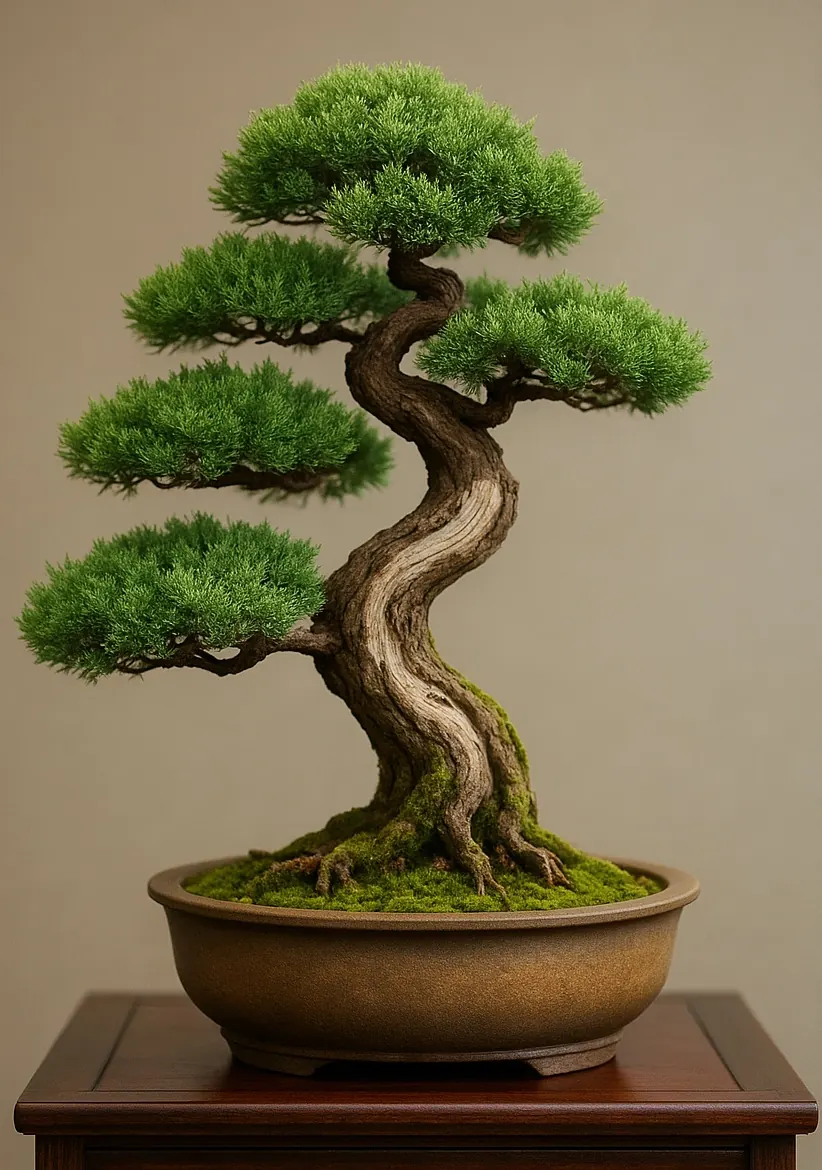
A gently curved trunk whose apex always returns above the base. Very natural and widely used for both conifers and deciduous trees.
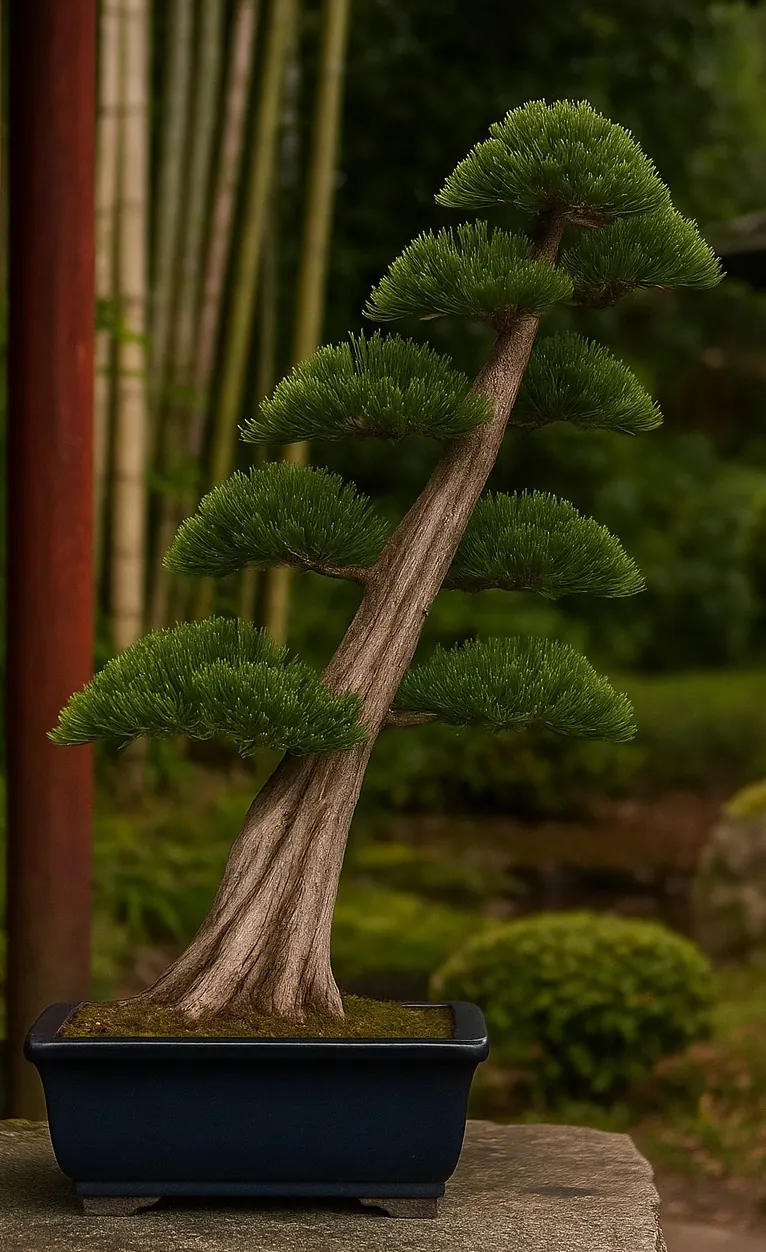
The trunk grows at an angle, as if the tree developed on a slope or under persistent environmental pressure.
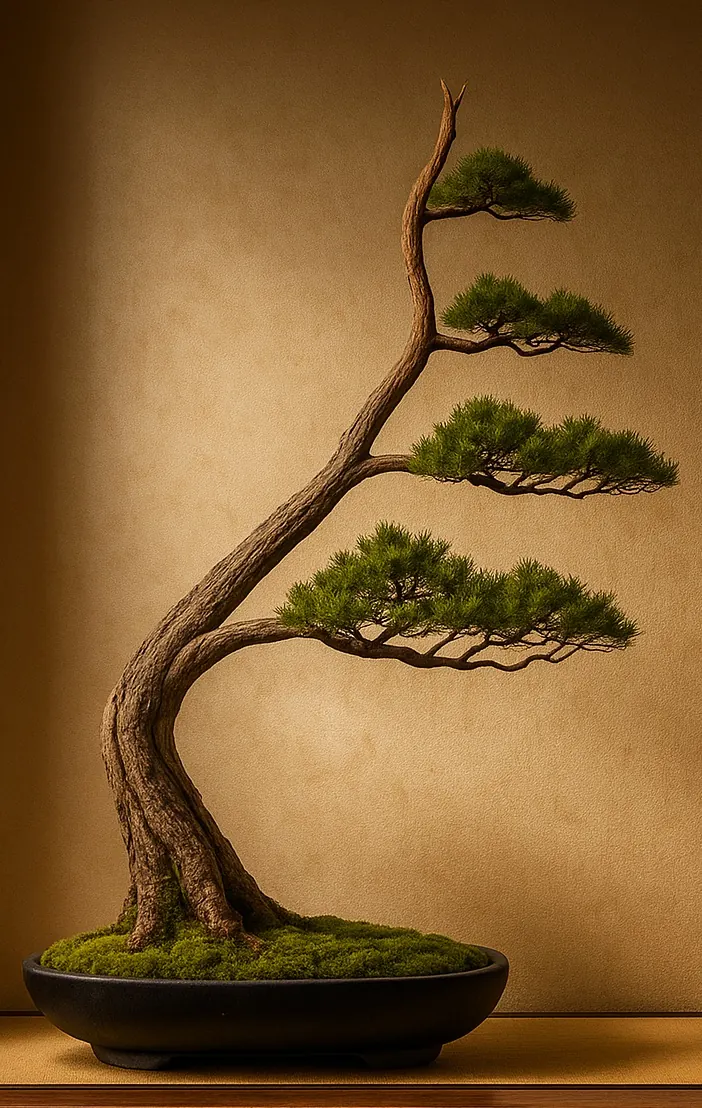
The entire tree bends in the same direction, shaped by constant wind. A very expressive style conveying strength and resilience.
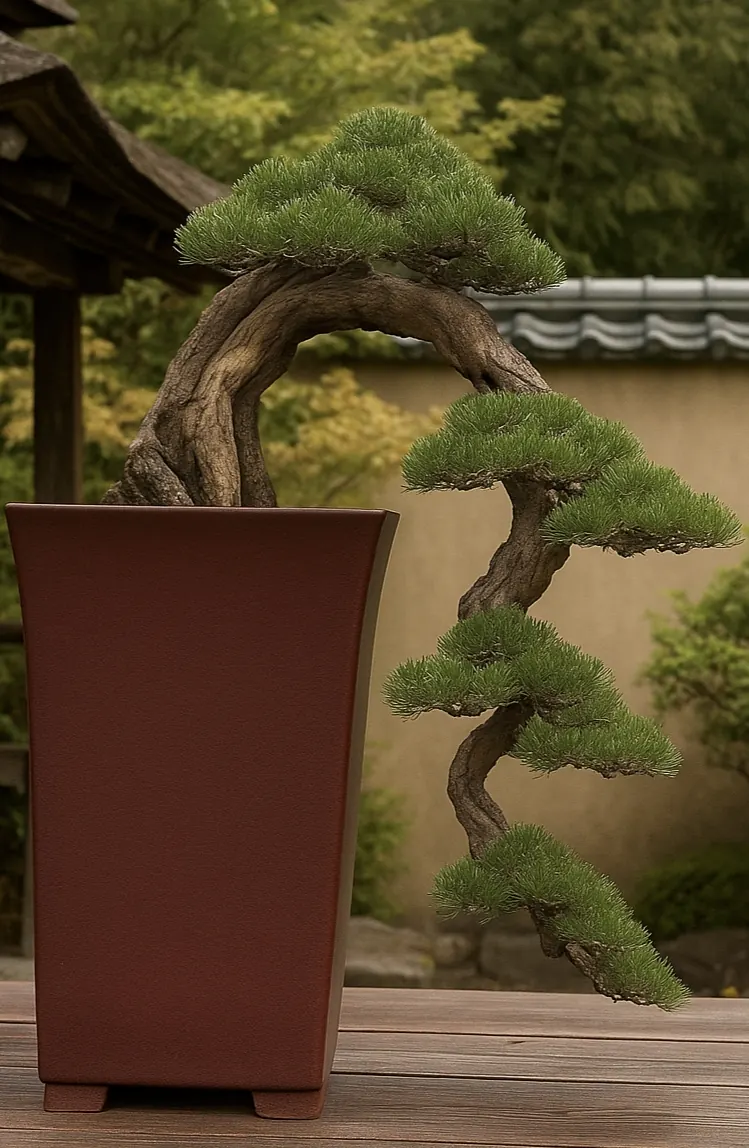
The trunk descends well below the rim of the pot, imitating trees growing from cliffs or steep mountainsides.
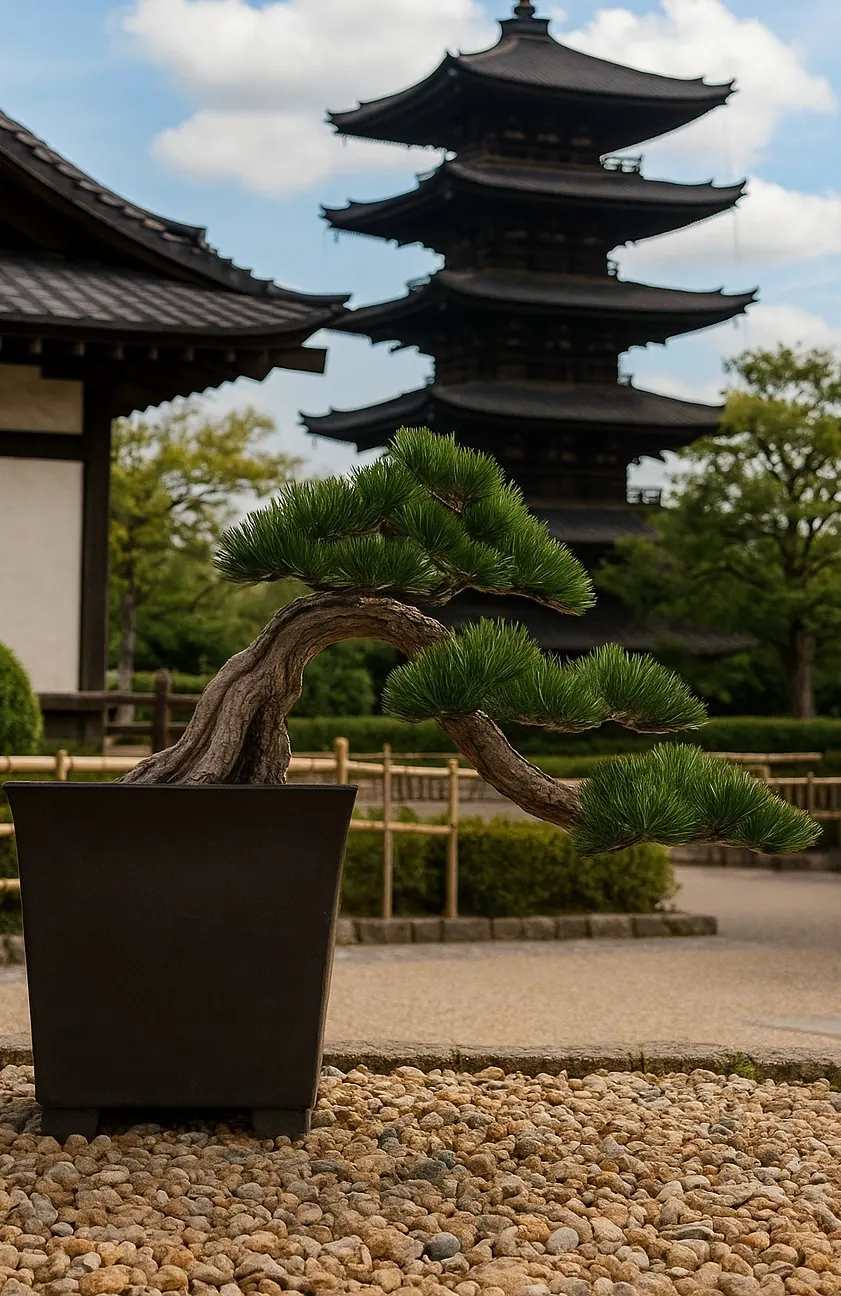
The trunk falls below the pot rim but does not go past the pot’s base, creating a balanced intermediate cascade form.
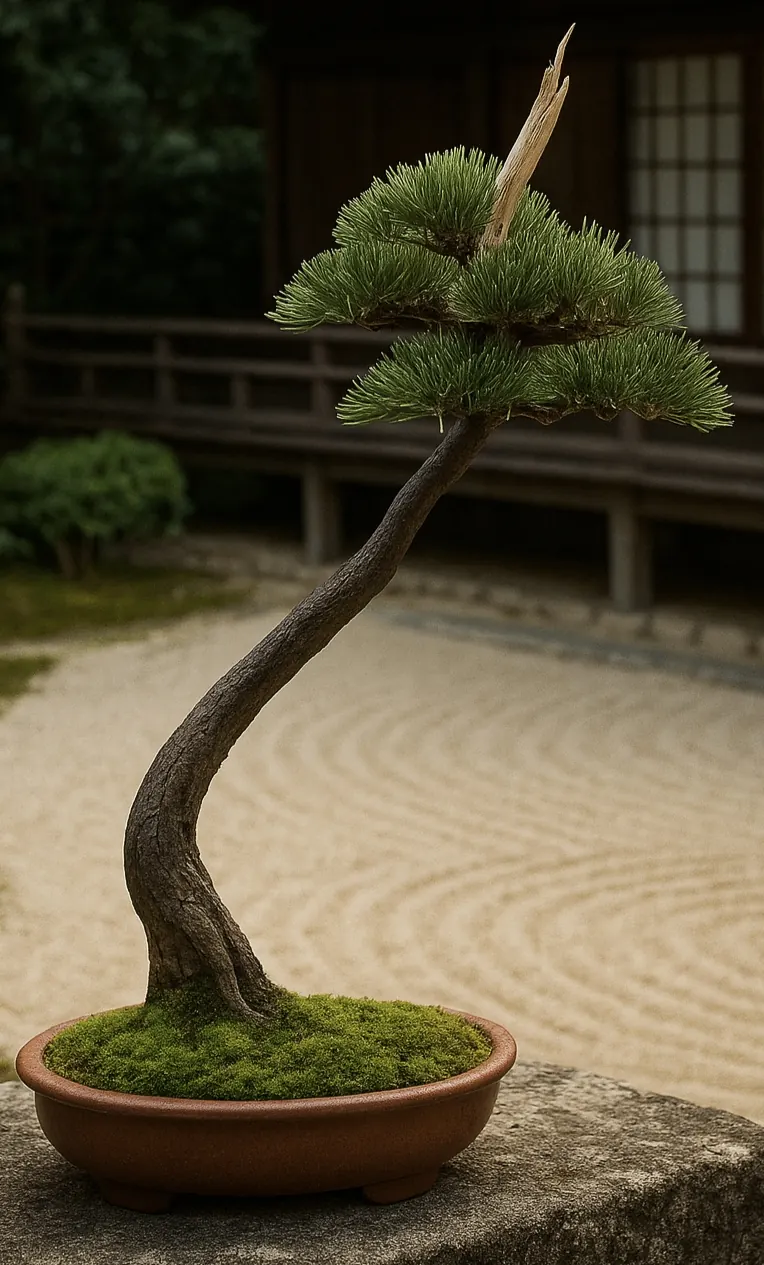
A minimalist and poetic style characterized by a slender trunk and very few branches, inspired by traditional ink paintings.
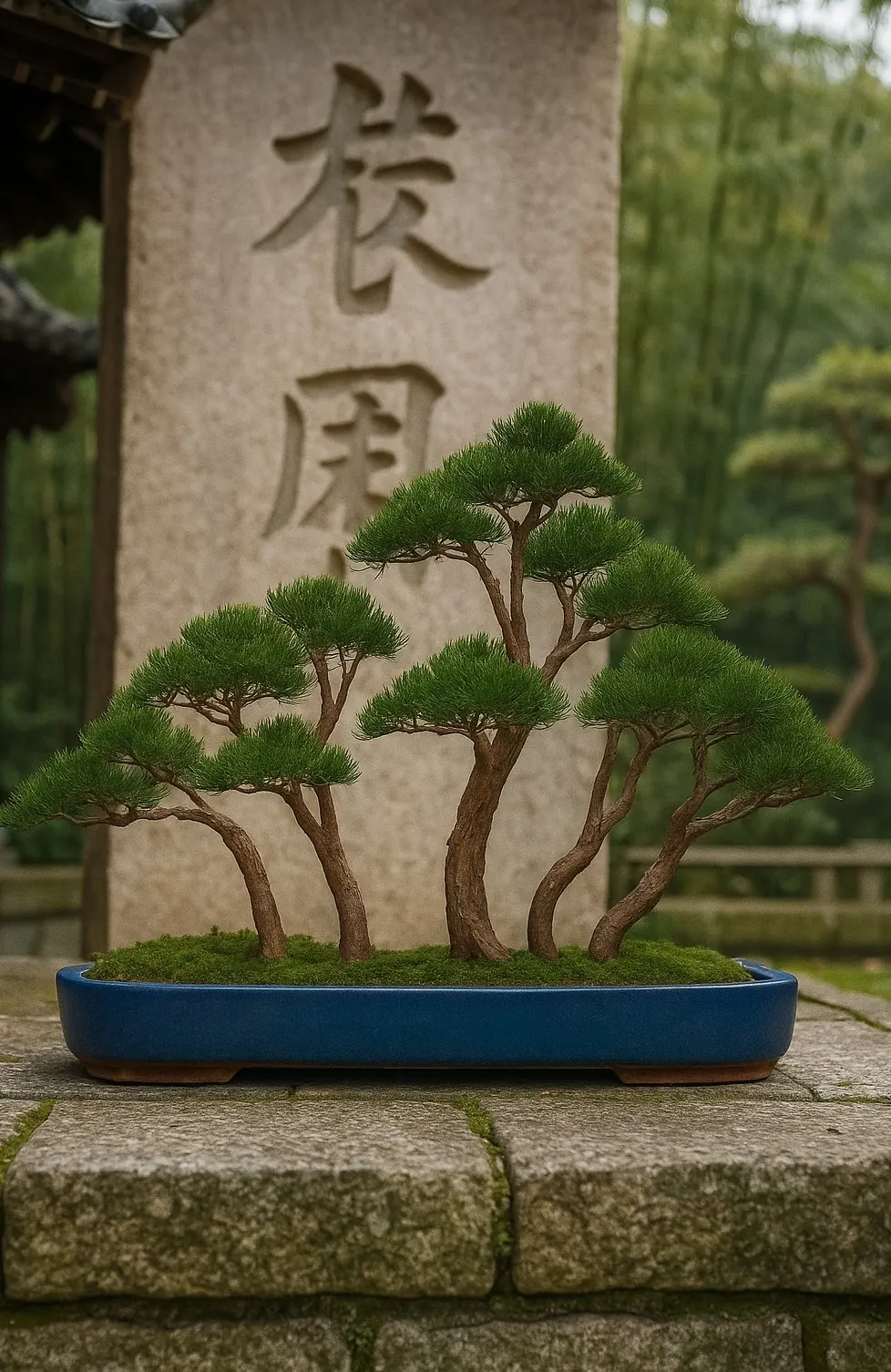
Several trees planted together to recreate a natural forest scene, emphasizing depth, rhythm and harmony.
Style becomes much clearer when you connect it to species, the aesthetic foundation, technical structure and pot choice.
Informal upright, simple slanting and natural deciduous forms are often more educational. They make structure easier to read before moving into more technical forms.
Chokkan relies on a straight, highly regular trunk. Moyogi stays upright overall, but with a freer and more natural trunk movement.
No. Style should come from the actual character of the tree. To keep it coherent, start by reading the species in Species.
Yes. Pot shape and depth can reinforce the final reading a lot. Cross this page with Pots to refine the whole composition.